At 9 a.m. on a Saturday, a coffee shop is ready: full staff, inventory, point of sale, network and customers at the door. Every system is green. And it does not sell a single coffee. The power is out in the area: no refrigeration, no espresso machine, no air conditioning.
The technology was healthy. The outcome was impossible. Observability that stops at the software boundary misses the very event that matters most.
All green, and nothing works
Traditional visibility is organized by ownership: my application, my infrastructure, my department, my report. It is useful, but incomplete. Customers, citizens and employees do not experience a company according to its org chart. They experience one continuous reality.
That is why Business Observability is not just a newer monitoring technology. It is another way of seeing the organization: as a living system where everything affects everything. Rain alters traffic, traffic delays staff, staffing sets service capacity, capacity sets wait time and wait time turns into complaints. Each system records a different fact. For the business it is one event.
The goal is not to control everything. It is to make the reality that decides the outcome observable, whoever owns each piece.
Three hidden worlds
Every organization has areas that are hard to understand in real time. We name them because what gets named can be managed.
Black boxes: closed entities
A black box does something important, but its internal state is opaque. It does not matter whether it is owned or third-party, digital or physical. An espresso machine: coffee, water and instructions go in; a drink comes out; the internal failure is hidden. A connected tractor whose software and diagnostics are controlled by the manufacturer. An outsourced fulfillment center: an order goes in, a package comes out, and what happens in between is invisible. A SaaS, an AI model or a payment platform.
A black box is not bad or broken. It is a visibility condition.
Blind spots: what acts out of your view
They are narrower: systems, checks, decisions or services that affect the outcome but are not continuously present in the operation’s view. The information exists. Someone could log into a portal or call the provider. The problem is that it does not take part in real time. Think fraud checks, identity verification, SMS or email delivery, third-party APIs, tax or credit lookups, or a vendor decision that lives in its portal.
Dark tunnels: the whole journey
A dark tunnel is the end-to-end journey: it crosses systems, people, devices, companies, approvals, physical places and external conditions. The company clearly sees the beginning and the end, but the middle is split among many owners and technologies.
If the customer lives one journey and the company sees many unrelated systems, tickets and reports, there is a dark tunnel between them.
What you control and what you don’t
There is a second, separate idea: the boundary of authority. Modern companies operate in two environments at once.
What the company directly commands: its systems, processes, people, assets and locations.
What affects it without its authority: suppliers, banks, APIs, logistics operators, partners, customer devices, and the physical world: weather, traffic, power, roads and social conditions.
The customer journey does not recognize that boundary. It simply works or fails. That is why business observability has to understand the full reality on both sides, and treat the physical world not as external context, but as part of the system.
Four scenarios
A merchant sees a payment as a simple event: approved or declined. In between there is fraud screening, tokenization, routing, the acquirer and the issuing bank’s risk analysis. If the issuer declines a customer who has bought many times before as suspected fraud, the merchant accepts the decline as a fact.
It is not about controlling the bank’s algorithm, but about connecting that decision with the customer’s history, abandonment and lost margin.The merchant knows the order was sent and, days later, that it shipped. In between there is inventory, picking, labor, equipment, labels, the carrier and exceptions.
It is not about replacing the operator, but about knowing whether the order is stuck, whether the delay is isolated or systemic and which customers will be affected.A customer opens an account digitally, receives a card by courier and later deposits at a partner store. For them it is one experience. For the bank it crosses credit bureaus, the card maker, the courier, the customer’s phone, the partner’s network and payment rails.
No participant controls the whole journey. Business Observability connects enough signals to know where the experience is and what action is still possible.A storm hits several locations. Internal systems look normal, but roads are blocked, power is down, staff cannot arrive and one location has stopped reporting.
The question is whether leadership can see, in one reality, the event, the locations and people at risk, the current state and the next action.The same happens in streaming: the experience does not begin when the video starts, but much earlier, when the device wakes, the user is authenticated, the catalog loads and rights are verified. If the customer leaves before the first frame, was the failure in streaming, or in a hidden dependency inside the tunnel?
What changes
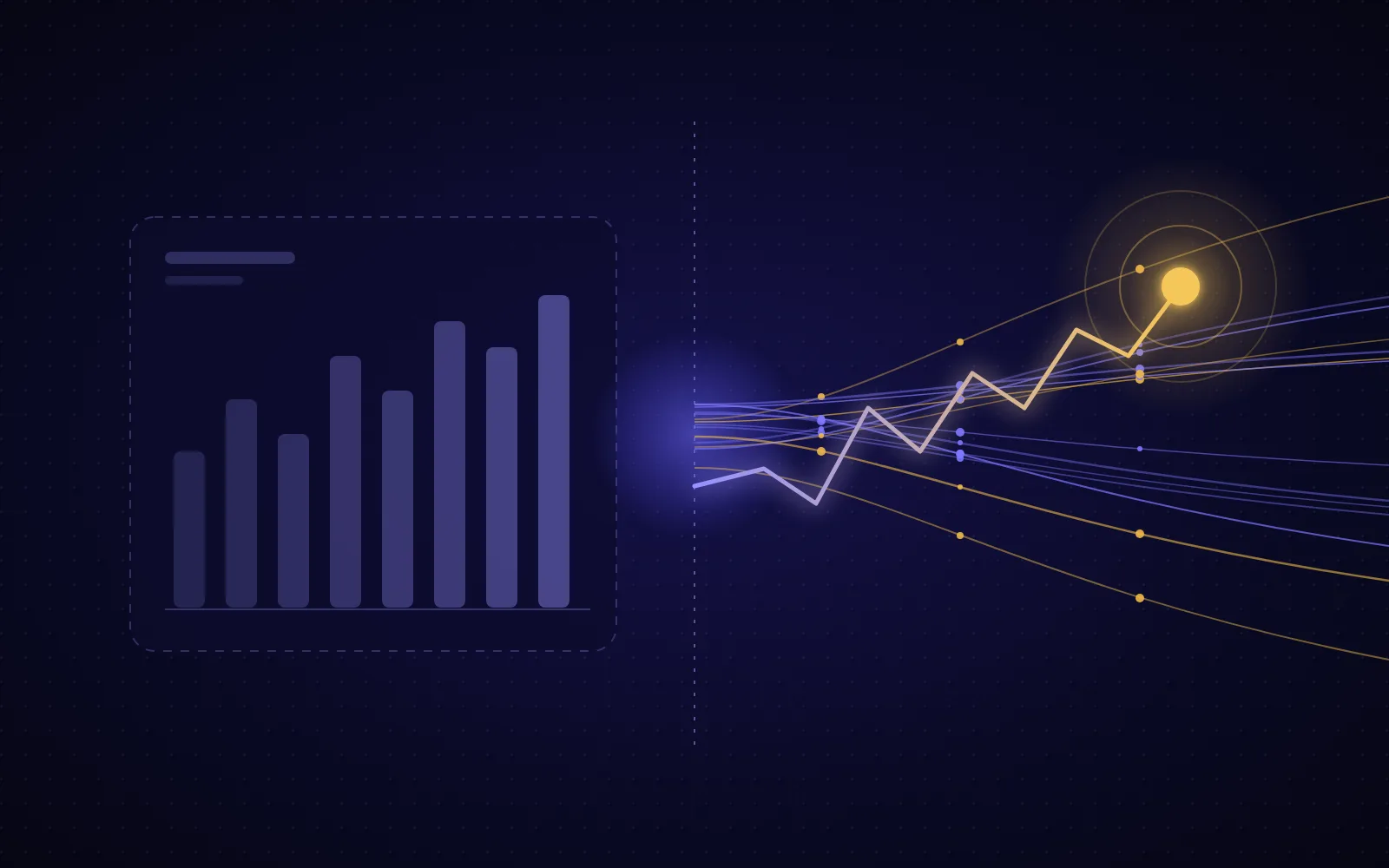
The underlying shift is not more monitoring. It is changing what the organization considers observable.
From ownership→to relevance: if it affects the outcome, it is observedFrom isolated health→to relationships: a healthy component can coexist with a failing journeyFrom digital only→to digital and physical: people, machines, locations, weather and powerFrom reporting the past→to the present state, while action is still possibleFrom visibility→to action: alert, reroute, escalate, communicate or automateFrom perfect data→to useful, trustworthy evidence
What it is not
To avoid misunderstandings, a few clear limits:
- Not every black box must be opened. Often it is enough to observe its inputs, outputs, state and consequences.
- Nobody controls weather, traffic or suppliers. The goal is to understand their effect and keep options for action.
- It does not replace IT observability: infrastructure and applications remain part of the observable reality.
- It is not total visibility from day one. You start with what matters most, prove value and expand coverage.
One observable reality
Companies do not operate inside clean boundaries. Their outcomes emerge from a mix of owned systems, outsourced services, machines, people, customer devices, suppliers, locations, weather, traffic, power and hidden decisions. Traditional visibility sees those pieces separately. The organization does not live separately.
From managing what we own to understanding everything that affects the outcome.
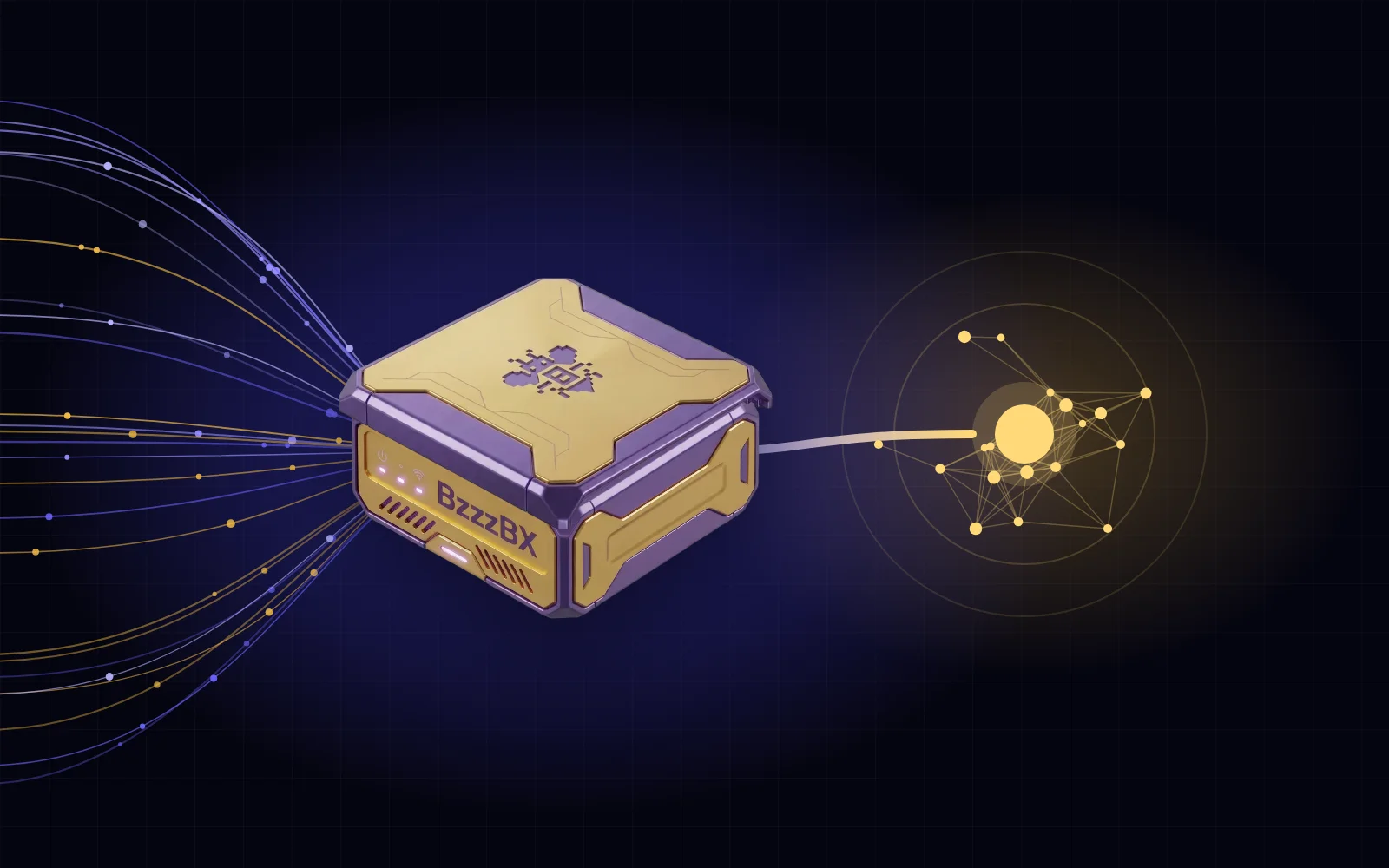
Business Observability is the discipline of bringing those realities into one field of awareness: not because the company owns everything, but because everything that matters to the outcome deserves to be understood. One reality: connected, observable, understandable and actionable.