It is 10 a.m. on a Tuesday and the sales dashboard says everything is fine. It says so because it shows yesterday’s close. Meanwhile, conversion has been dropping since early morning in three stores, a supplier did not show up and the service team is starting to get complaints. Nobody will see it on the dashboard until tomorrow. By then, the sale is already lost.
It is not a data problem. The company has more data than ever. It is a timing problem.
The latency gap
For more than twenty years, Business Intelligence has been how companies turn data into decisions. It takes structured, historical data and turns it into reports and dashboards that guide planning and performance reviews. It works, and it works well. But it was born with three limits: latency, rigid data and no context in the moment.
Data Lakes arrived to solve the rigidity. They store structured, semi-structured and unstructured data in one place, so it can be analyzed more freely. But they are still repositories, not reflexes. Data must be modeled, queried and interpreted, which means the answer arrives after the action has already happened.
Today’s challenge is not a lack of data. It is its immediacy.
Both offer enormous analytical power. Both operate with delayed awareness. And in a market where latency means loss, that difference is paid in sales, customers and margin.
What changes with Business Observability
Business Observability takes an idea proven in technology, IT observability, and applies it to the whole business. IT observability answers whether the technology works. Business Observability answers whether the business works: operations, sales, finance, customers, suppliers, people and external factors, in real time.
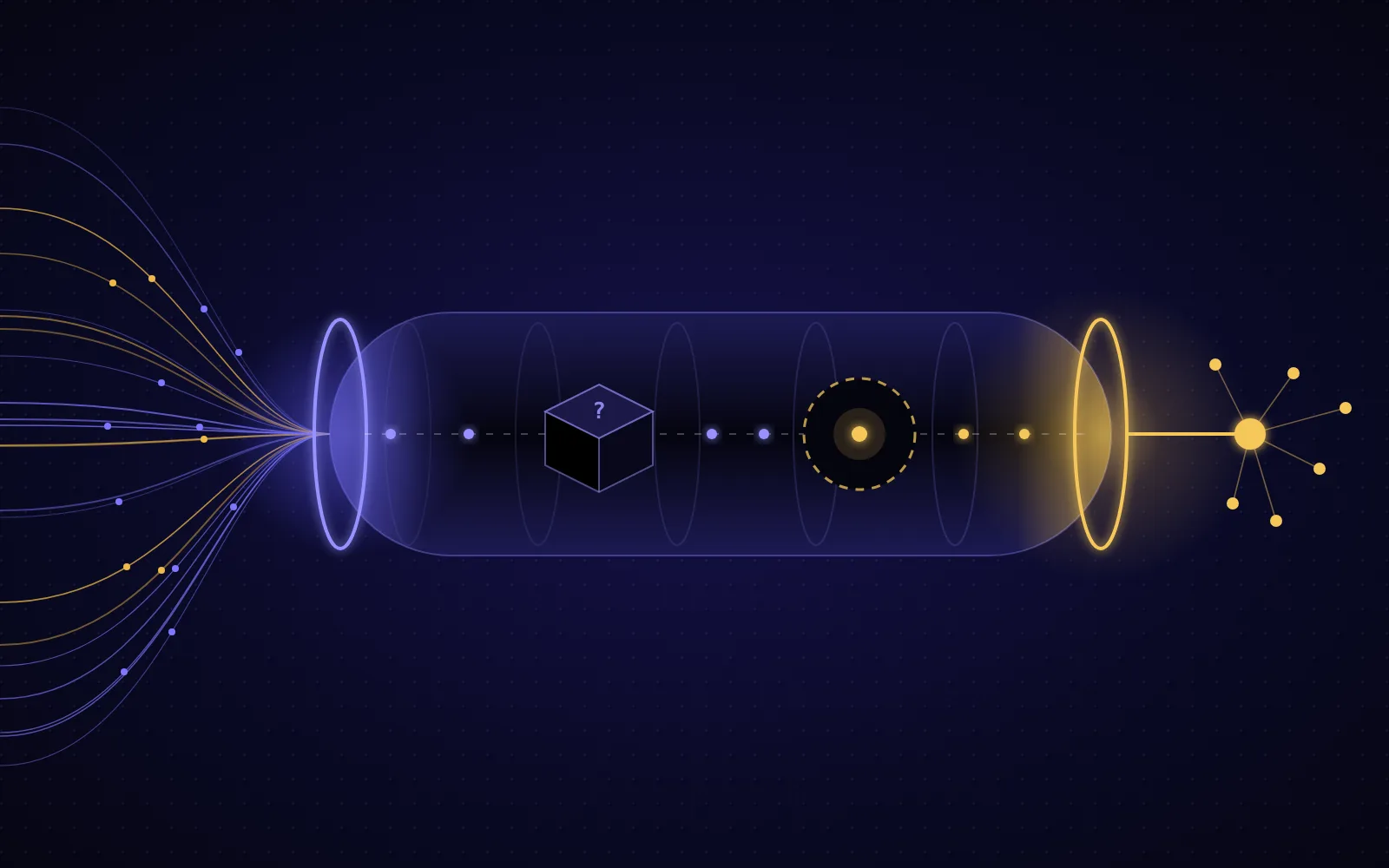
The difference is not only speed. While BI interprets the past and Data Lakes store potential, Business Observability builds a living model of the business: continuously updated, with business context and connected to operations. Every signal enters once, is related to the others and is available to whoever needs to act.
BI explains what happened. Business Observability shows what is happening. Together, they connect the past with what comes next.
BI, Data Lakes and Bo11y, side by side
They are not three versions of the same thing. They answer different questions, for different people, at different moments. Each column is an approach; each row, a criterion to compare them.
| Criterion | BIWhat happened | Data LakesWhat could be analyzed | Business ObservabilityWhat is happening |
|---|---|---|---|
| Orientation | Historical | Historical and exploratory | Continuous, real time |
| Purpose | Reporting and analysis | Storage and exploration | Awareness and action |
| Users | Analysts and executives | Data scientists | Everyone: business, operations and IT |
| Output | Dashboards and reports | Data models | Live dashboards, alerts and actions |
| Integration | ETL processes | Ingestion and query | Native to operational systems |
| Decision window | After the fact | After the fact | In the moment |
"We already have dashboards"
When a company first meets Business Observability, the first reaction is usually skepticism. The same phrases come up:
- "We already have dashboards."
- "Our Data Lake connects everything."
- "We can generate reports at any time."
All true. And all describe visibility after the fact, not continuous awareness. A report you can generate at any time still needs someone to know they should generate it.
The turning point comes when leaders see their live data connected to business context, not just system metrics. When a drop in conversion shows up together with its cause, its impact on sales and who should act, the conversation stops being about dashboards and becomes about decisions.
Extension, not replacement
Business Observability does not replace BI or the Data Lake. It extends them. BI and Data Lakes keep providing depth and historical perspective; observability adds breadth and immediacy. Together they form a complete cycle:
A cognitive cycle for the enterprise
- Data Lake · memory
- Keeps long-term history for deep analysis and models.
- BI · reasoning
- Analyzes trends, compares periods and supports planning.
- Business Observability · the senses
- Perceives what is happening, interprets it in context and signals when and where to act.
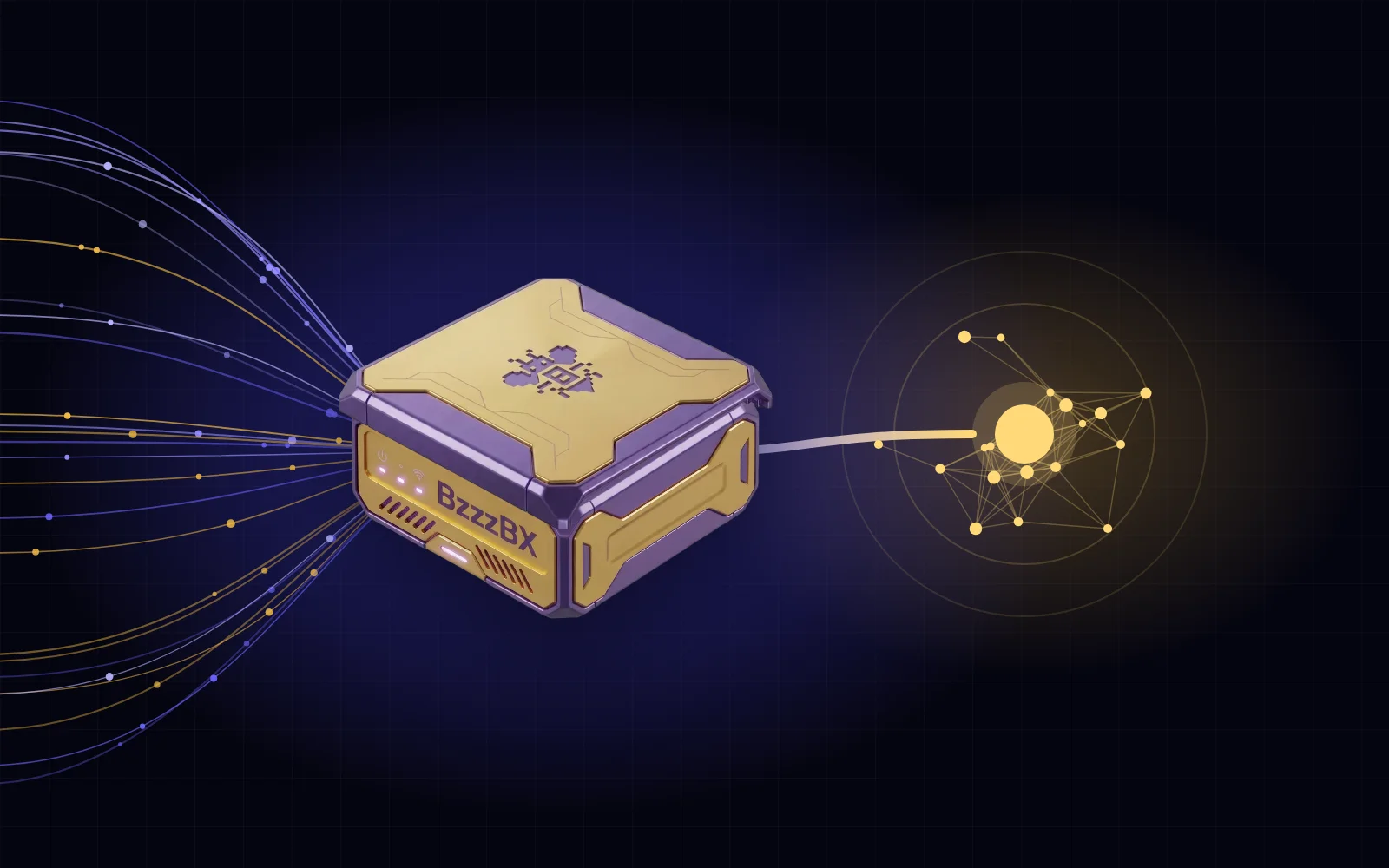
That is why BzzzBX connects to what the company already has, instead of asking to replace it. A single integration feeds operations, the existing BI and AI initiatives in real time.
Three scenarios
The shift is easiest to see in operations. Three typical scenarios of what happens when a company stops waiting for the report:
By combining point-of-sale data with store traffic and restocking, falling conversion and staffing gaps show up as they happen, not at month-end.
When service delivery degrades, operations gets the alert in seconds, along with the customer impact, and fixes it before the issue escalates on social media.
If a delivery is about to run late, dispatch and customer service know in time, adjust the route and notify the customer before they ask.
The shift is cultural
The deepest change is not technological. With Business Observability, decisions no longer wait for the report: they are made as the data emerges. Teams stop being data consumers and become data participants.
Business Observability turns insight into instinct.
The organization adopts a new rhythm: continuous, adaptive and anticipatory. Every area takes part in the outcome in real time, and sees how its decisions affect the others.
Where to go
The evolution from BI to Data Lakes and on to Business Observability mirrors human cognition: from remembering the past to perceiving the present. Taking the step does not require dismantling what works:
- Keep BI and the Data Lake for historical analysis and planning.
- Identify the decisions that arrive late today: where a one-day delay costs sales, customers or margin.
- Connect those signals once to a core with business context, and define which alert and which action belong to each one.
In the age of instant change, business intelligence is no longer measured by how much a company understands its past, but by how quickly it understands itself. Continuously, in context and together.